

- June 20, 2025
ASSOCHAM Survey Reveals Stark Divide in Export Capability and Calls for Tailored Regional Strategies
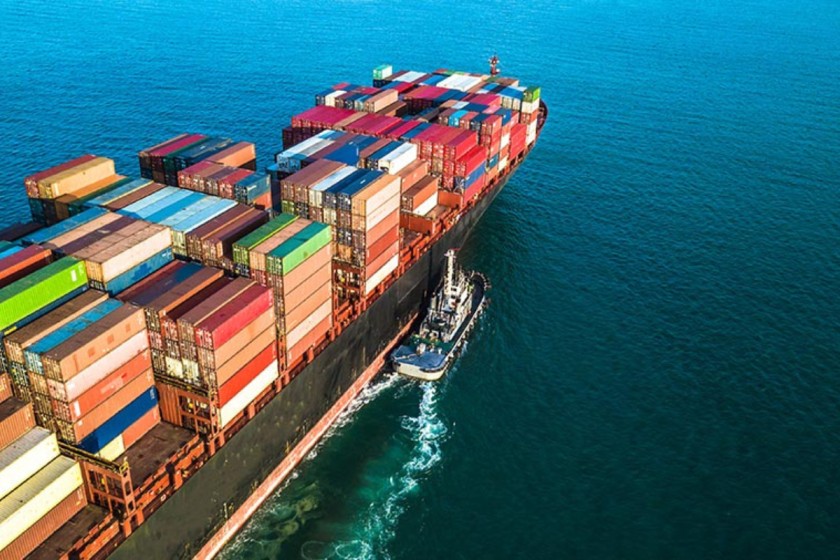
The Associated Chambers of Commerce and Industry of India (ASSOCHAM) has unveiled its Indian Economic Confidence Survey for FY25, painting a nuanced picture of an industrial sector navigating significant global shifts. Based on responses from a diverse cross-section of companies, the report captures a prevailing sentiment of cautious optimism, tempered by rising operational costs, regulatory complexity, and logistical hurdles, yet buoyed by manufacturing growth potential and digital transformation opportunities.
Key findings reveal a stark divergence in export engagement:
The Large Firm Advantage: A significant 54% of large firms (annual turnover > ₹250 crores) are active exporters, dominating sectors like automobiles and components, energy, IT & ITeS, and chemicals. This underscores the correlation between scale and global competitiveness, suggesting current export policies disproportionately benefit bigger players.
The SME Export Gap: In stark contrast, 76% of smaller firms (annual turnover ≤ ₹250 crores) report no export activity. This highlights a critical weakness in India’s export ecosystem and signals an urgent need for targeted policy interventions and institutional support to unlock SME export potential.
Cost Pressures Mount: The survey identifies a squeeze on profitability, with 47% of respondents reporting a moderate increase and 37% a significant increase in the cost of doing business. Key drivers include:
- Infrastructure costs
- Skilled labour shortages
- Cost of finance
- Compliance burdens and regulatory complexity (affecting both exporters and domestic producers)
Policy Impact: PLI shows promise, but reach is uneven. While challenges persist, the survey notes positive signals from government initiatives. Nearly 32% of exporting firms acknowledged the benefits of schemes like the Production-Linked Incentive (PLI). However, uptake is skewed:
- Larger firms engage more readily with such schemes.
- Smaller firms report significant difficulty accessing benefits, pointing to design or implementation hurdles that need addressing.
Regional Export Landscapes Vary: The survey maps distinct regional export profiles:
- States like Maharashtra, Tamil Nadu, Karnataka, Gujarat, and Uttar Pradesh have developed diversified, multi-sector export ecosystems.
- States including West Bengal, Goa, and Kerala have carved out specialised export niches.
- This geographic diversity requires region-specific strategies to enhance competitiveness and broaden India’s export basket beyond traditional powerhouses.
The ASSOCHAM survey highlights India Inc’s resilience amid global turbulence but exposes critical fault lines. While large firms leverage scale to succeed in exports and access schemes like PLI, smaller businesses are largely excluded, hampered by costs and complexity. Realising India’s full export potential and sustaining cautious optimism will require decisive action: simplifying regulations, aggressively bridging the SME support gap, tailoring policies to regional strengths, and ensuring flagship initiatives like PLI deliver inclusive benefits. The path to sustained industrial confidence hinges on addressing these uneven realities.