

- February 12, 2026
Mind the Fine Print: What the Revised US–India Fact Sheet Really Reveals
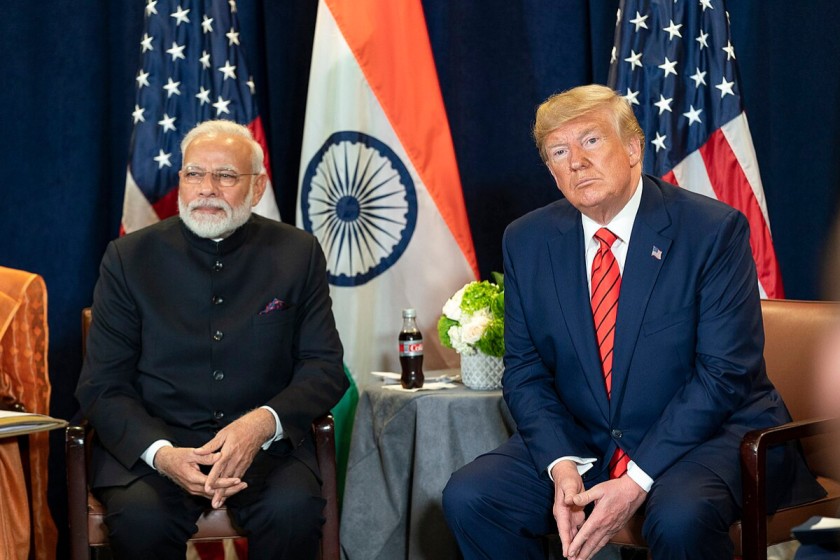
The quiet revision of a White House fact sheet might seem like bureaucratic housekeeping. The edits to the US–India trade document tell a far more revealing story about the fragility and politics of economic diplomacy.
Within hours of its February 9 release, the fact sheet was scrubbed of references to India’s alleged commitments on digital services taxes, customs duties on electronic transmissions and even the purchase of American pulses. The revised version now mirrors the official joint statement issued on February 6, carefully worded, diplomatically balanced and conspicuously less specific.
What changed? Not the substance of the relationship, but the optics and the leverage.
The most striking deletion concerns digital trade. The initial document suggested India would remove its digital services tax and continue supporting the moratorium on customs duties for electronic transmissions at the World Trade Organization. That moratorium, first adopted in 1998, expires in March 2026 and has become a flashpoint between developed and developing economies. Washington strongly backs its extension. New Delhi has been more cautious, citing potential revenue losses and digital sovereignty concerns.
Including such language in a unilateral US document risked implying concessions India has not formally granted. Removing it restores alignment with the jointly negotiated text and avoids domestic backlash in India, where digital taxation is framed as a matter of fairness in taxing global tech giants.
Agriculture presents a similar dynamic. The earlier fact sheet described India’s intent to buy USD 500 bn worth of US goods as a ‘commitment’ and explicitly mentioned pulses purchases. That detail was absent from the joint statement. In trade diplomacy, the difference between ‘intent’ and ‘commitment’ is not semantic but contractual. For India, agriculture remains politically sensitive; even symbolic concessions can trigger intense scrutiny at home.
The revisions suggest two possibilities. Either the initial fact sheet overstated what was agreed, or it reflected aspirational language Washington hoped would stick. In either case, the correction underscores a core principle of modern trade politics, words matter as much as tariffs.
This episode also reveals the pressures shaping US–India ties. Both governments want to project momentum, particularly as supply chains realign and geopolitical competition with China intensifies. But they must also navigate domestic constituencies wary of overreach. Trade agreements today are negotiated not only across borders, but across political fault lines at home.
The fact sheet’s evolution is thus less about clerical editing and more about narrative control. By realigning the document with the formal joint statement, both sides signalled that while ambition defines the partnership, precision governs it. In diplomacy, as in trade, the fine print is the real text.